New research commissioned by Resuscitation Council UK (RCUK) has uncovered worrying gaps in CPR education in UK secondary schools – highlighting that thousands of students are missing out on the opportunity to learn this vital lifesaving skill.
Although governments across the UK introduced policies since 2019 to ensure CPR is taught in secondary schools, there is currently no structured way to track whether this training is being delivered. Without proper monitoring and support, too many students are leaving school without learning how to save a life.
A cardiac arrest is the ultimate medical emergency: the heart stops beating, and the individual is clinically dead. Early CPR can double the chances of survival – making it essential that as many people as possible, including young people, have the confidence to act in an emergency.
New research commissioned by RCUK highlights the critical need for CPR education in schools, the findings reveal:
- 91% of parents believe the government should do more to support schools in delivering CPR training.
- Nearly 4 in 10 students (38%) say they left school without receiving CPR training.
- Over 70% of those students trained in CPR say they would feel confident to act in an emergency.
To ensure that every student leaves school with this essential skill, RCUK and partners, including St John Ambulance and Brentford FC, are calling for governments, education providers, inspectorates, and communities to work together to embed CPR training within existing school inspection frameworks. This will enable CPR training to become a standard component of school evaluations, ensuring consistent delivery.
International evidence shows that in countries where basic life support is taught in schools, survival rates from sudden cardiac arrest are up to two to three times higher than countries that don’t teach CPR in schools. This highlights the importance of building the next generation of lifesavers and underscores the need for monitoring CPR training in schools.
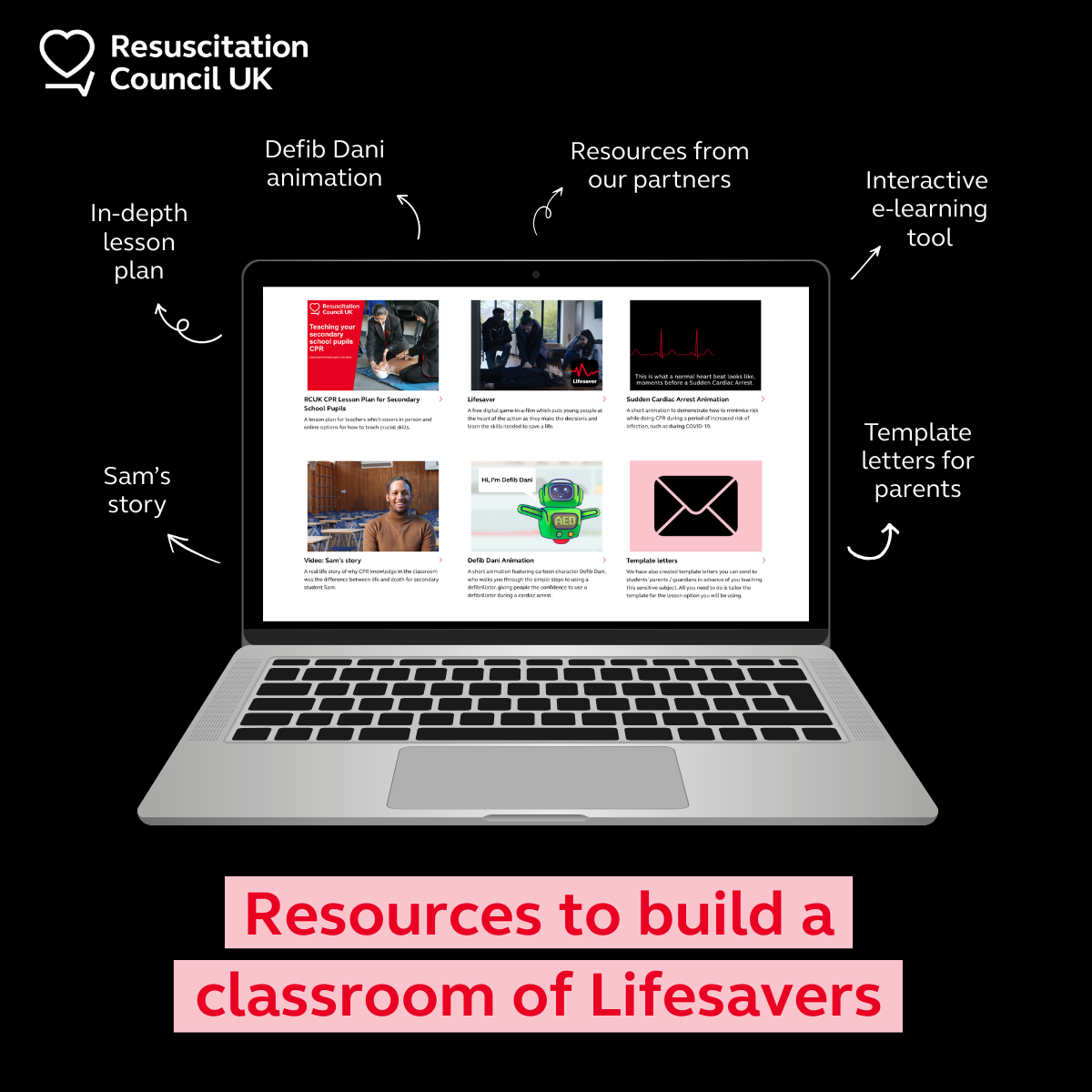
To improve CPR training rates in schools, RCUK and partners are asking governments, local councils and education inspectorates across the UK to work with stakeholders to:
- Embed CPR within existing inspection and school improvement frameworks to ensure this lifesaving skill is being taught annually, and help assess and encourage provision where appropriate.
- Provide clear guidance and accessible resources to support schools and teachers in delivering CPR training.
- Facilitate collaboration with local authorities and education providers in devolved nations to sustain progress and share best practices.
Resuscitation Council UK, along with its partners offer free, practical resources to help schools deliver CPR training and are encouraging all schools to take part in Restart a Heart (RSAH), an annual worldwide CPR training event that takes place in October. By linking this initiative to wider monitoring efforts, they aim to widen access to lifesaving skills and improve survival rates.
James Cant, Chief Executive at Resuscitation Council UK, said:
CPR saves lives, yet far too many young people are leaving school without this crucial skill. Schools are eager to teach CPR, but we know they need more support.
We would like to see governments, and local authorities, where appropriate, collaborating with education inspectorates to ensure every student has the opportunity to learn this lifesaving skill. This isn’t about introducing more regulations—it’s about us all working together to give every student the confidence to step in and help save a life in an emergency.