By the Ambulance Learning Disability and Autism Leads Group (ALDAG)
Reducing health inequalities remains a shared strategic priority across the ambulance sector and its partners. Ambulance services are uniquely placed to identify and support people who may have limited contact with other professionals, often uncovering unmet needs at moments of greatest vulnerability.
Ensuring equitable access to urgent and emergency care — with consistently high‑quality outcomes — sits at the heart of this work.
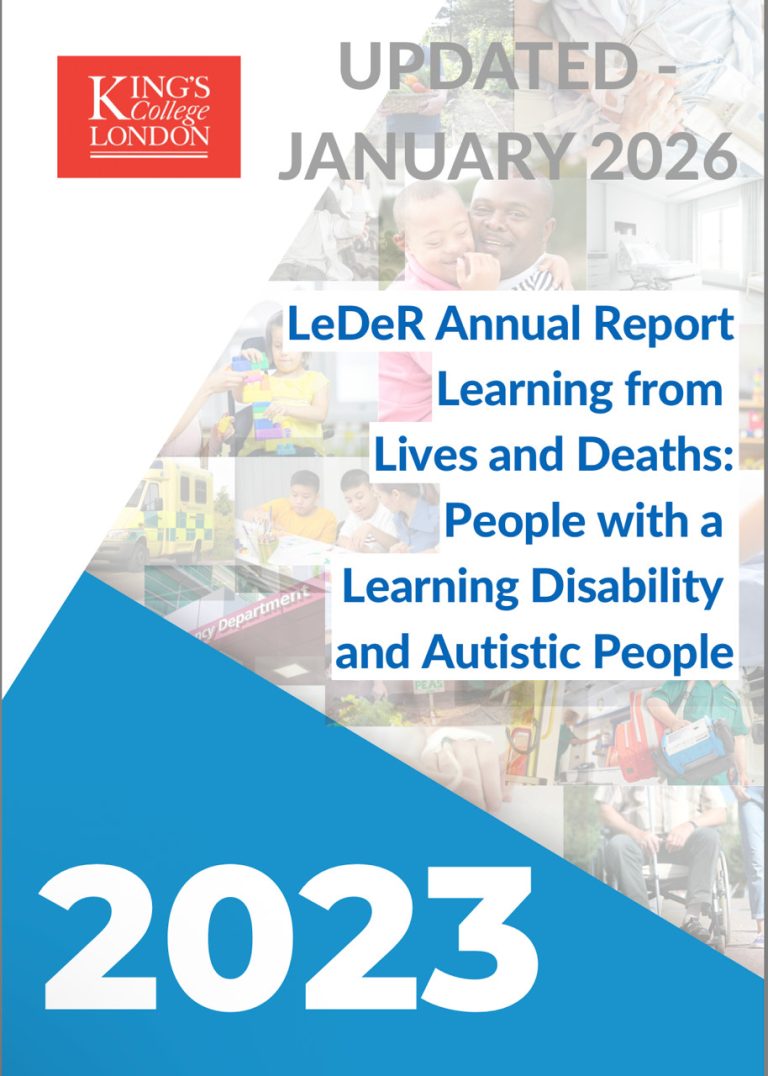 Evidence continues to show that people with a learning disability, autism, or both experience profound health inequalities.
A report published in January 2026 by the ‘Learning from Lives and Deaths – People with a learning disability and autistic people (LeDeR)’ programme highlighted a stark reality: in 2023, 40.2% of people with a learning disability in the UK died avoidably.
Of all deaths reviewed, 15.1% were deemed preventable and 25.1% treatable. These findings reinforce the UK government’s call for a system‑wide, collaborative NHS response to improve outcomes for this population.
To support this ambition, learning disability and autism subject matter experts are now embedded within eight ambulance services across the UK. While their roles vary, they share common responsibilities: identifying barriers to accessing ambulance care, reducing harm, promoting best practice, and improving clinical care and patient outcomes.
To strengthen this work nationally, a specialist network has been established: the Ambulance Learning Disability and Autism Group (ALDAG). Sitting under AACE’s Quality, Innovation, Governance and Risk Directors’ Group (QIGARD), ALDAG provides a forum for collaboration, assurance, and shared learning across the sector.
ALDAG’s scope includes:
- promoting safe, effective, high‑quality care
- interpreting national legislation and clinical guidance for the ambulance context
- developing and reviewing educational materials and driving strategic quality improvement
- supporting consistent approaches to care and identifying barriers faced by this patient group
- analysing sector and local themes to inform focused learning
- sharing good practice across services
- offering peer support and constructive challenge
ALDAG is currently developing new learning disability and autism clinical guidance for inclusion within JRCALC. This will cover areas such as alternative signs of deterioration and pain, common comorbidities, communication, mental capacity, conveyance challenges, and reasonable adjustments.
The guidance aims to reduce variation in clinical knowledge across the sector, increase staff confidence, and support sound clinical decision‑making when caring for autistic people and those with learning disabilities.
For more information, please contact Jessica Howe, Learning Disability and Autism Lead at London Ambulance Service, at Jessica.howe6@nhs.net