By Joe Crook, National Volunteer Lead, Association of Ambulance Chief Executives
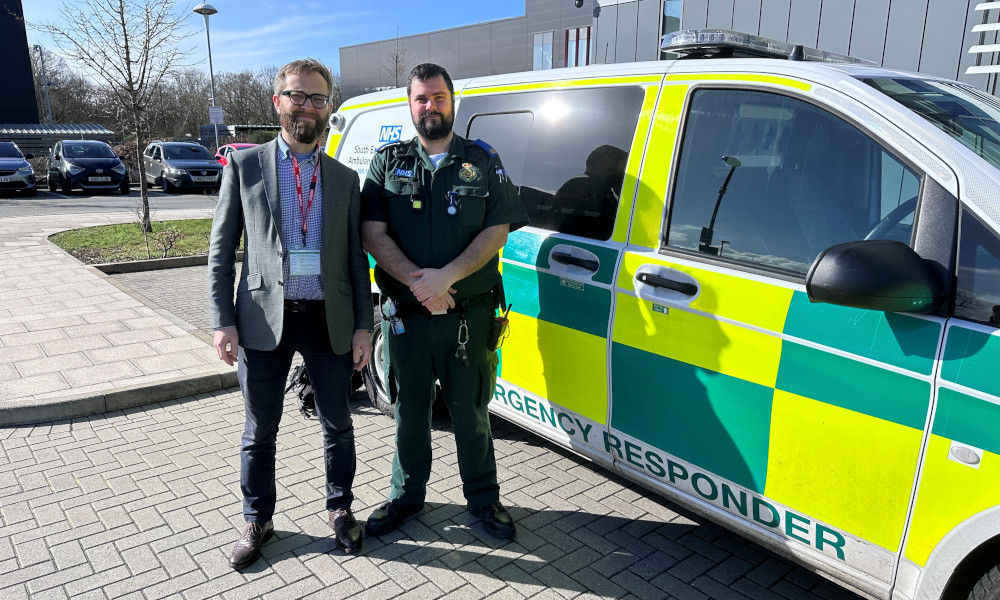
Ambulance volunteering enriches lives – not only for those who give their time, but for the communities that depend on them. As we mark National Volunteers’ Week (01–07 June 2026), I want to reflect on how ambulance volunteers make our communities stronger, safer and more resilient. A community with higher levels of volunteering is, I would argue, a more resilient community.
Resilience means having people around you who know what to do in an emergency. Ambulance Community First Responders (CFRs) have been doing an extraordinary job of responding to urgent calls for decades. In a letter published last year, Minister of State for Health Karin Smyth said, “their role is far more than supplementary – they are essential to the safety and resilience of our communities.”
Their role is also evolving, expanding beyond the historic focus on out-of-hospital cardiac arrest. CFRs are increasingly attending patients who have fallen, helping prevent “long-lies” – when someone remains on the floor for an hour or more – by enabling neighbours and friends to support them while they wait for an ambulance.
Technology is enhancing this work. CFRs can now set up a live video feed from the scene to the ambulance control room, where a clinician can advise on next steps. Some volunteers are trained and equipped to lift patients under direct clinical supervision. When lifting isn’t safe, volunteers keep patients warm, hydrated and as comfortable as possible until paramedics arrive.
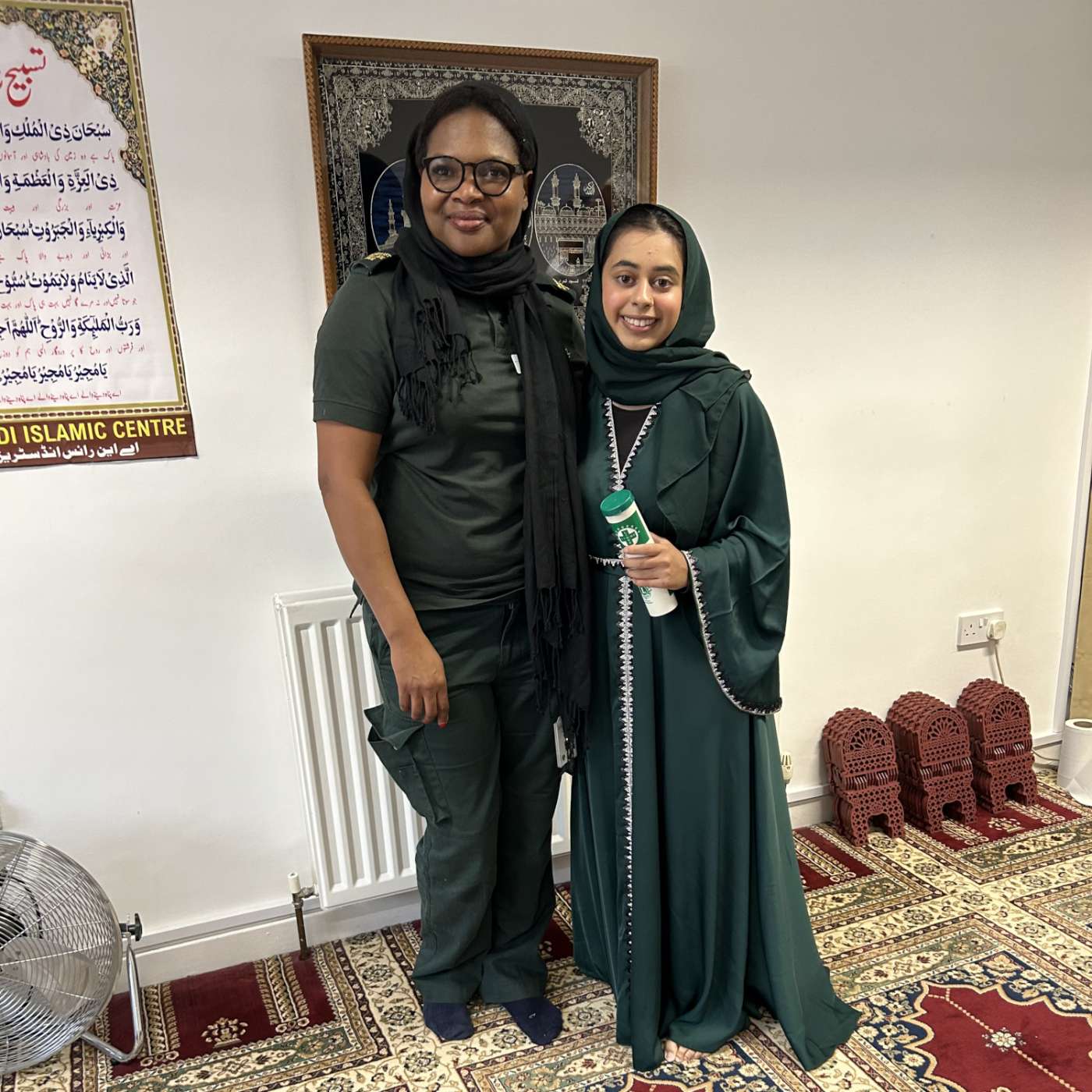 At Southeast Coast Ambulance Service (SECAMB), volunteers attended more than a thousand falls incidents last year, and similar growth is happening across many services. This improves patient care and eases pressure on ambulance teams – a powerful example of how communities can be more resilient with the support of clinically trained professionals.
Research shows that more connected communities have higher levels of volunteering – and that volunteering itself builds stronger connections, creating a virtuous cycle. This is more common in areas of higher affluence and cohesion.
Historically, CFR schemes have been set up by close-knit rural networks, often fundraising for their own equipment. While hugely successful, this “supply-based” model means urban areas, places with high population churn, and communities experiencing deprivation have been less well served.
To address this, we need to widen participation in ambulance volunteering and ensure volunteers are recruited and deployed in communities facing greater deprivation and health inequalities. We also need to engage younger people. Our volunteer population is ageing, and engagement among under-25s remains low. That’s why AACE has worked with ambulance services to publish national guidance on youth volunteering and partnered with the Duke of Edinburgh’s Award to help services register as Approved Activity Providers. I am pleased that South Central Ambulance Service (SCAS) is the first to begin this process.
We are also establishing a national working group to explore how ambulance volunteers can be more involved in responses to major incidents such as floods, heatwaves, water outages or cyber-attacks. This includes supporting resilience in communities where we have not traditionally recruited volunteers.
Partnership working beyond the ambulance sector is essential. In a flood, or if an elderly relative has fallen, people simply need to know that help is at hand. That is why we are strengthening collaboration with organisations such as St John Ambulance, the Duke of Edinburgh’s Award, IVAR, the VCS Emergencies Partnership, and UK Search and Rescue. The generous support of the Pears Foundation enables this work and connects us with wider networks.
This is an exciting time for ambulance volunteering. It is expanding, innovating and looking beyond its traditional borders. If we view volunteering as a means of building community resilience, then the future looks bright.
Read more about Volunteers’ Week here.
Read our national ambulance volunteering strategy here.
For more information please contact joe.crook@aace.org.uk