Ambulance services across England, Wales and Scotland have published the first aggregated sector-wide data relating to sexual safety employment cases, marking an important step in demonstrating transparency, accountability and action across the sector.
Covering the period from 01 July 2024 to 31 July 2025, the data provides a picture of how ambulance services respond when concerns are raised and reflects a collective commitment to improving workplace culture and safety. The publication forms part of a wider programme of work led by the Association of Ambulance Chief Executives (AACE) to reduce misogyny and improve sexual safety across the ambulance sector.
 Anna Parry, Managing Director of AACE, said:
Creating workplaces where everyone feels safe, respected and able to speak up is fundamental to delivering the best care for our patients.
Publishing this data is an important step in demonstrating our commitment to transparency, accountability and meaningful cultural improvement across the ambulance sector.
The Care Quality Commission (CQC) defines sexual safety as being free from, and feeling safe from, behaviour of a sexual nature that is unwanted or makes another person feel uncomfortable, afraid or unsafe. This includes sexual harassment and assault, the use of sexualised language, exposure to sexually inappropriate behaviour, being shown intimate images and situations where privacy and dignity are compromised.
The publication of the data represents an important milestone in the ambulance sector’s ongoing cultural improvement journey. Ambulance services are taking action through a shared programme focused on accountability and leadership, confidential reporting and support, commitment to learning and culture transformation. While organisations are at different stages of that journey, there is a clear and collective determination across the sector to reduce harm, remove barriers to speaking up and embed cultures rooted in respect, understanding and safety.
The aggregated data covers a workforce of 72,063 staff across participating ambulance services. During the reporting period there were 370 sexual safety-related employment cases, representing approximately 0.5% of the workforce.
Of those cases, 267, or 72%, progressed to a formal investigation stage, demonstrating that concerns are being taken seriously and reviewed through established employment processes.
The outcomes of investigated cases demonstrate a range of proportionate responses. At the point the data was collected, 25% of cases remained open. A further 9% resulted in no further action, while 20% led to learning-based outcomes. Formal warnings were issued in 24% of cases and 22% resulted in dismissal.
Taken together, the findings show that organisations are responding thoughtfully and proportionately to concerns. Outcomes range from opportunities for learning and behaviour change through to formal sanctions and dismissal where appropriate.
One of the key aims of publishing sector-wide data is to give our people confidence that concerns will be heard and acted upon. Across ambulance services, significant work is underway to strengthen reporting pathways, improve access to support and ensure that people who experience or witness inappropriate behaviour feel able to raise concerns.
Anna Parry continued:
Creating psychologically safe workplaces requires trust. Greater transparency about how organisations respond to concerns helps build that trust and demonstrates that action is being taken.
This data should be viewed within the context of a wider cultural transformation programme across the ambulance sector. Our ambition is not simply to manage incidents when they occur, but to prevent harm, challenge unacceptable behaviours and create environments where everyone feels respected, valued and safe.
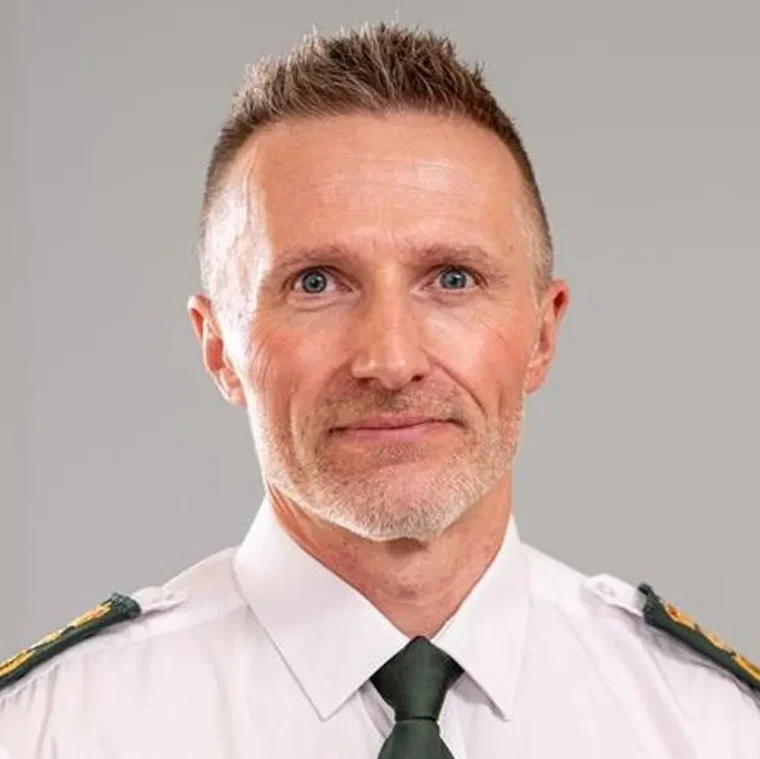 Jason Killens, Chair of AACE, added:
The ambulance sector is united in its determination to improve sexual safety and reduce misogyny. Publishing this data demonstrates our willingness to be open, transparent and accountable.
We want our people to feel confident in speaking up, knowing concerns will be taken seriously and addressed appropriately. This remains a key priority as we continue our work to ensure everyone feels safe coming to work.
AACE member organisations have already agreed a consensus statement committing to meaningful action to reduce misogyny and improve sexual safety. English ambulance trusts have also signed the NHS England Sexual Safety in Healthcare Organisational Charter.
The publication of the annual dashboard represents another important step in that journey. By openly sharing outcomes data, the sector is demonstrating its commitment to learning, accountability and continuous improvement. Most importantly, it sends a clear message to ambulance staff, volunteers and students that sexual safety matters, concerns will be taken seriously, and creating safe, respectful workplaces remains a priority for every ambulance service.
Any ambulance employees, volunteers or students affected by sexually inappropriate behaviour, harassment, assault or any form of sexual violence are encouraged to report concerns through their organisation’s established processes and access available support services.

Further information about the sector’s work to reduce misogyny and improve sexual safety is available through AACE, alongside support for anyone impacted via the Ambulance Staff Sexual Safety Support Service delivered by The Ambulance Staff Charity (TASC).