By Anne Humphreys, Public Health Practitioner, North West Ambulance Service NHS Trust
For many ambulance clinicians, sickle cell disease (SCD) may be a condition they encounter infrequently. Yet for those living with it, the impact can be profound, affecting daily life and at times leading to severe, life-threatening crises that require urgent care.
As one of the fastest-growing inherited conditions in the UK, sickle cell disease is also recognised as an important health inequalities issue.
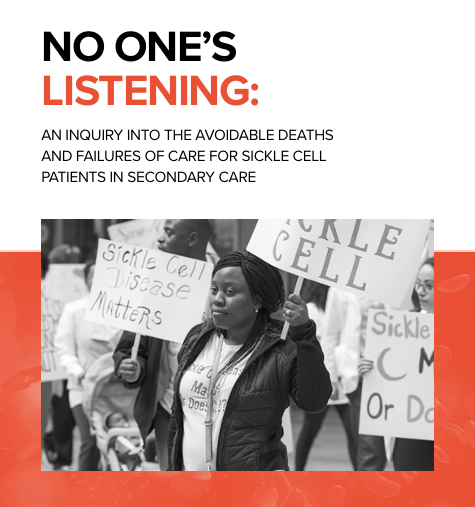 National reports, including No One’s Listening, have highlighted the need for healthcare organisations to improve awareness, understanding and the experiences of people living with the condition. For ambulance services, this presents an opportunity to ensure patients receive compassionate, informed and equitable care whenever they need our help.
At North West Ambulance Service (NWAS), discussions within the Public Health Team highlighted that awareness of sickle cell disease varied across the organisation. Many colleagues had limited exposure to the condition and little understanding of the challenges patients can face, particularly during a sickle cell crisis.
In response, NWAS worked with its Race Equality Network and Communications Team during Sickle Cell Awareness Month 2024 to deliver a programme of staff engagement and education. What began as an awareness campaign quickly evolved into a wider improvement programme focused on strengthening care and improving patient experience.
One of the key lessons was that we did not need to start from scratch.
Through collaboration with London Ambulance Service (LAS) and the Sickle Cell Society, NWAS was able to build on work that had already been undertaken elsewhere in the sector. LAS had carried out extensive patient and staff engagement to better understand barriers to care and identify areas for improvement. To share that learning, NWAS invited Mary Emery from LAS and John James, Chief Executive of the Sickle Cell Society, to speak at a staff webinar. Their insights helped shape the next phase of the programme.
Working with colleagues from Clinical Audit, the Pathway Development Team, Medicines Management, specialist services and the Race Equality Network, NWAS developed a series of practical improvements to support patients experiencing a sickle cell crisis.
A key outcome was the development of a new Sickle Cell Clinical Pathway, created in partnership with Manchester Foundation Trust Sickle Cell Unit. Designed as a frontline decision-support tool, the pathway helps clinicians recognise and manage a sickle cell crisis, access specialist advice and make informed decisions about the most appropriate destination of care. By providing clear and consistent guidance, it aims to reduce variation in practice and improve patient experience.
Alongside the pathway, NWAS adapted an e-learning package originally developed by LAS. The programme introduces staff to sickle cell disease, explores the realities of living with the condition and helps clinicians better understand the physical and emotional impact of a crisis. It also challenges misconceptions, builds confidence and reinforces the importance of timely assessment, effective pain management and compassionate care.
Importantly, the work has focused on more than clinical knowledge alone. For someone experiencing a sickle cell crisis, being believed, understood and treated with empathy can be just as important as the clinical intervention itself. Improving awareness among ambulance clinicians helps ensure patients receive not only the right treatment, but also the dignity and reassurance they deserve during a highly distressing experience.
The programme also demonstrates the value of partnership working across ambulance services. By sharing learning, adapting existing resources and building on proven approaches, NWAS has been able to accelerate improvement while avoiding duplication of effort.
Reflecting on the initiative, John James, Chief Executive of the Sickle Cell Society, said:
We commend North West Ambulance Service for showing leadership on improving care for patients experiencing a sickle cell crisis in the north of England. This collaboration between NWAS, London Ambulance Service and the Sickle Cell Society demonstrates how partnership working can enhance training and education about sickle cell for paramedics, reduce health inequalities and make positive and tangible differences to patients experiencing a sickle cell crisis.
We strongly encourage other ambulance services in England to take up this learning if they have not already done so.
In September 2026, NWAS hosted a Sickle Cell Awareness Month webinar to share progress and, in November, plans to formally launch both the clinical pathway and e-learning package. Bringing together ambulance colleagues, specialist clinicians and representatives from the Sickle Cell Society, the event highlighted how relatively simple interventions can make a meaningful difference to both patient outcomes and patient experience.
The NWAS Communications Team also helped raise awareness beyond the organisation during Sickle Cell Awareness Month. Working with Senior Paramedic and Race Equality Network Chair Wes Proverbs, the team produced an informative social media reel explaining sickle cell disease, the symptoms people may experience and the work underway at NWAS to improve care. The reel reached more than 47,600 views across Facebook and Instagram.
The Sickle Cell Clinical Pathway was also featured as part of World Patient Safety Day, with a second reel explaining why the pathway was developed and what NWAS hopes it will achieve for patients. It generated significant engagement, attracting more than 139,000 views on Facebook and helping to raise awareness of efforts to improve care for people living with sickle cell disease.
The learning from this programme is available for other ambulance services to adapt locally, and we encourage colleagues across the sector to consider how similar approaches could support improvement within their own organisations. By sharing best practice and learning from one another, ambulance services can continue to improve care for people living with sickle cell disease while helping to reduce health inequalities in the communities they serve.
For more information about the programme, or to discuss how the learning and resources might be adapted within your organisation, please contact public.health@nwas.nhs.uk